“The natural healing force within each one of us is the greatest force in getting well.”
Both fruits and vegetables are vital in our lives and are packed with so much live enzymes, Nutrients and vitamins.
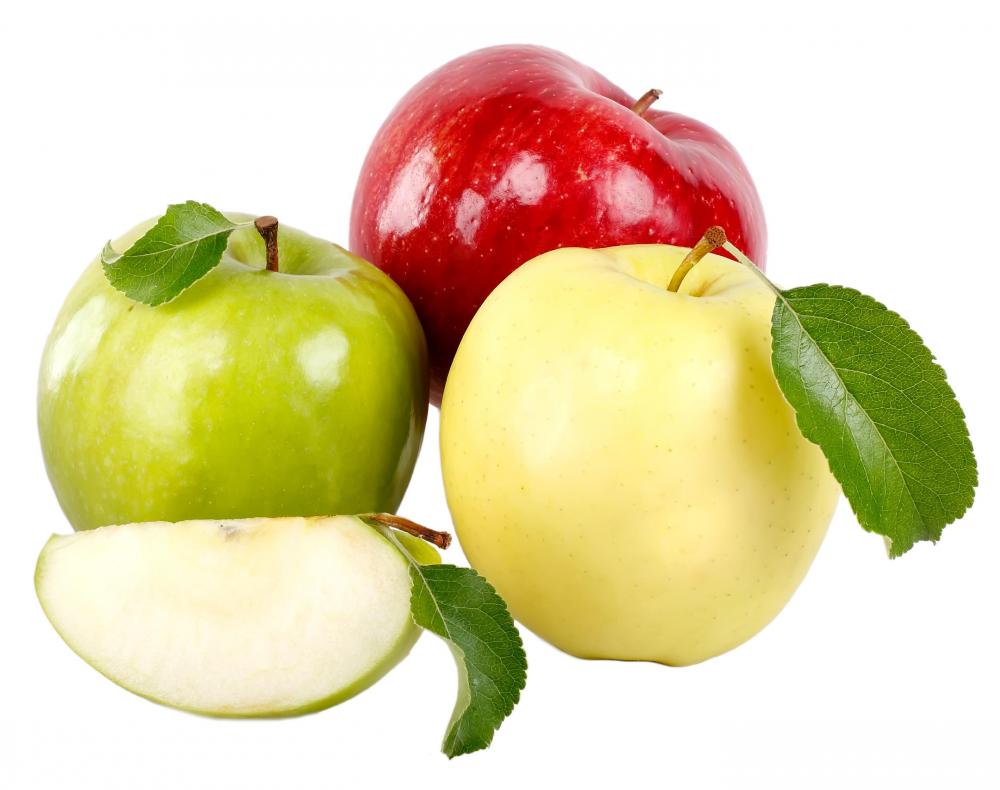
Apples:

Apples are a good source of pectin, a soluble Fiber. It aids in appetite control and improves digestion. Pectin reduces cholesterol and helps maintain steady blood sugar levels.
Apples are rich in Vitamins A, B1, B2, B6, biotin, folic acid and pantothenic acid. They have a very high mineral content, which is beneficial for the health of your skin, hair and fingernails. Apple skin is a source of quercetin, an antioxidant that keeps the heart and lungs healthy. Apples also contain a huge number of protective compounds Flavanoids, which are absorbed by the body and helo make lung tissue healthier and more resistant to disease. So the old saying one apple a day keeps the doctor away, it still holds true to this day. It helps reduce the risk of lung cancer while helping to boost resistance to respiratory illnesses.
BUY
ORGANIC WHY? Apples are at the top of the list of produce most contaminated with pesticides. 92% of apples contained two or more pesticides. More pesticides and fungicides are being applied after the harvest so the fruit can have a longer shelf life
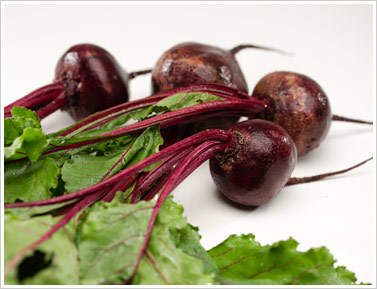
Beets:

Beet greens contain an abundance of chlorophyll, vitamin A and C. It also has a high mineral content, being especially rich in calcium and potassium. Beets contain fiber, vitamins C and K. Also rich in Folate, which we all know as Folic Acid, a natural substance which aids in preventing certain birth defects and heart disease.
The Betaine in beet juice stimulates the function of the liver cells and protects the liver and bile ducts. Beets are an excellent way to detoxify the blood and renew it with minerals and natural sugars. It helps reconstitute the blood, bringing important sustenance to the brain, heart, lungs, liver and kidneys. For all the women out there did you know that Beet Juice helps alleviate menstrual disturbances and menopausal symptoms. And there is more, its a powerful kidney and blood cleanser. So stop worrying about its sugar content, its natural sugars.
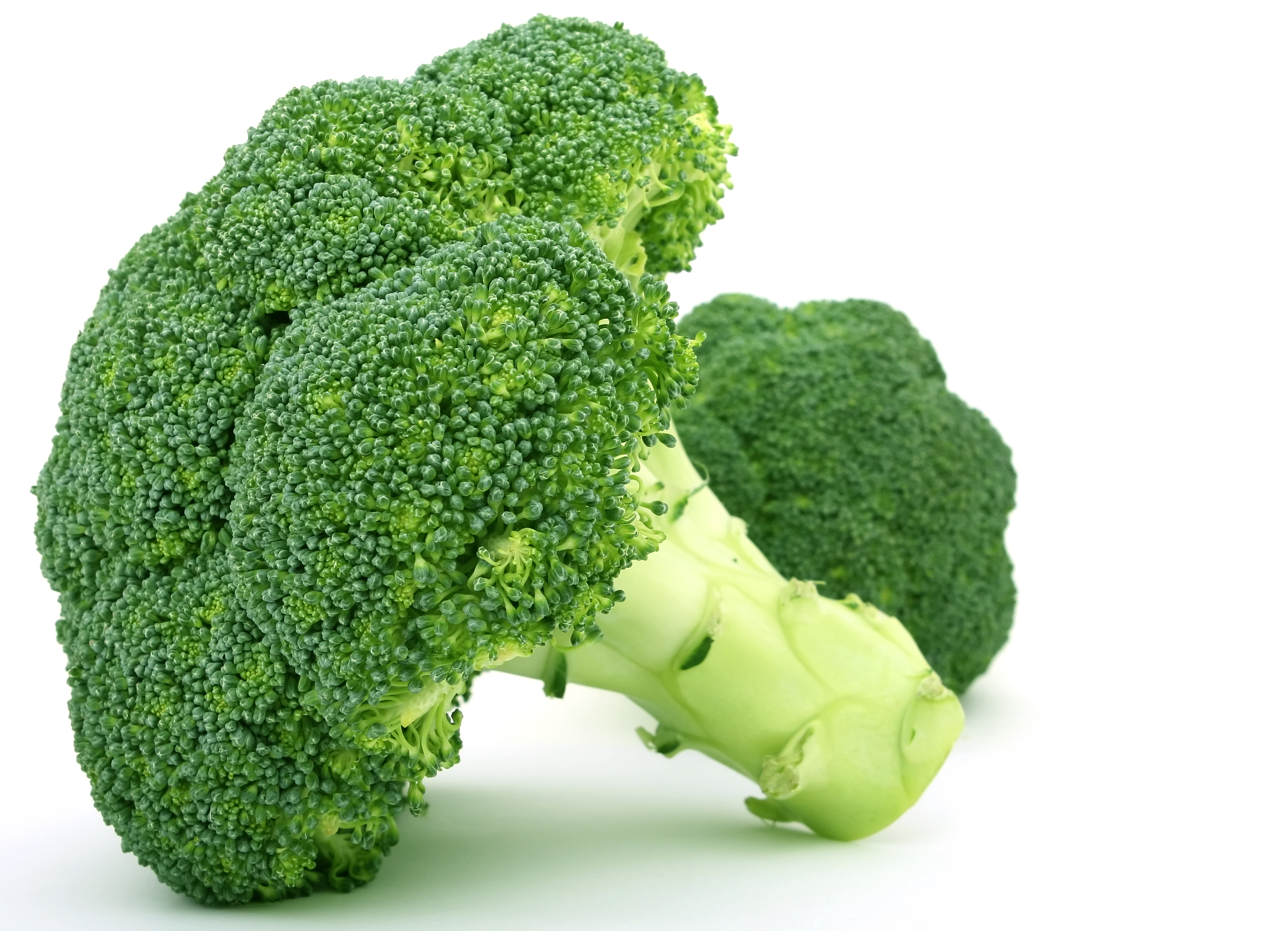
Broccoli:

Broccoli is a potent anti-oxidant which has been proven to protect against cancer. It is loaded with more Vitamin C than oranges and we should all be consuming as much as possible, especially if healing from cancer. A chemical called Sulforaphane is in Broccoli, it has been shown to kill peptic ulcers and gastritis.
A scientific Fact for you to ponder on as you drink one of our broccoli Raw Juice Combinations, is that Broccoli resonates energetically at 300MHz!! Compare this to our bodies that start to become diseased if its cells are resonating below 50MHz and a cancer cell resonates between 0 and 30MHz.
Cabbage

Red or Green, cabbage is a Cruciferous vegetable along with cauliflower, kale, cress, bok choy, broccoli and a few other green leaf vegetables. Cruciferous vegetables have long been prasied for being healthy and important additions to one’s diet. Sources recommend a minimum of 3-4 servings of cruciferous vegetables a week. WebMD names this veggies: “The Super-Veggies” because of all of the nutrient goodness locked inside:
“…they all contain phytochemicals, vitamins and minerals, and fiber that are important to your health (although some have more than others)…One of the big reasons to eat plenty of cruciferous vegetables is that they may help to lower your risk of getting cancer.” (WebMD)
Red Cabbage known as purple cabbage, is darker in color than it’s green counterparts, because it has a higher “concentration of anthocyanin polyphenols, which contribute to red cabbage containing significantly more protective phytonutrients than green cabbage.” Anthocyanin Polyphenols are pigment compounds found in many plants that lend them their characteristic colors and have antioxidant, anti-inflammatory, and potentially protective properties.
Carrots:

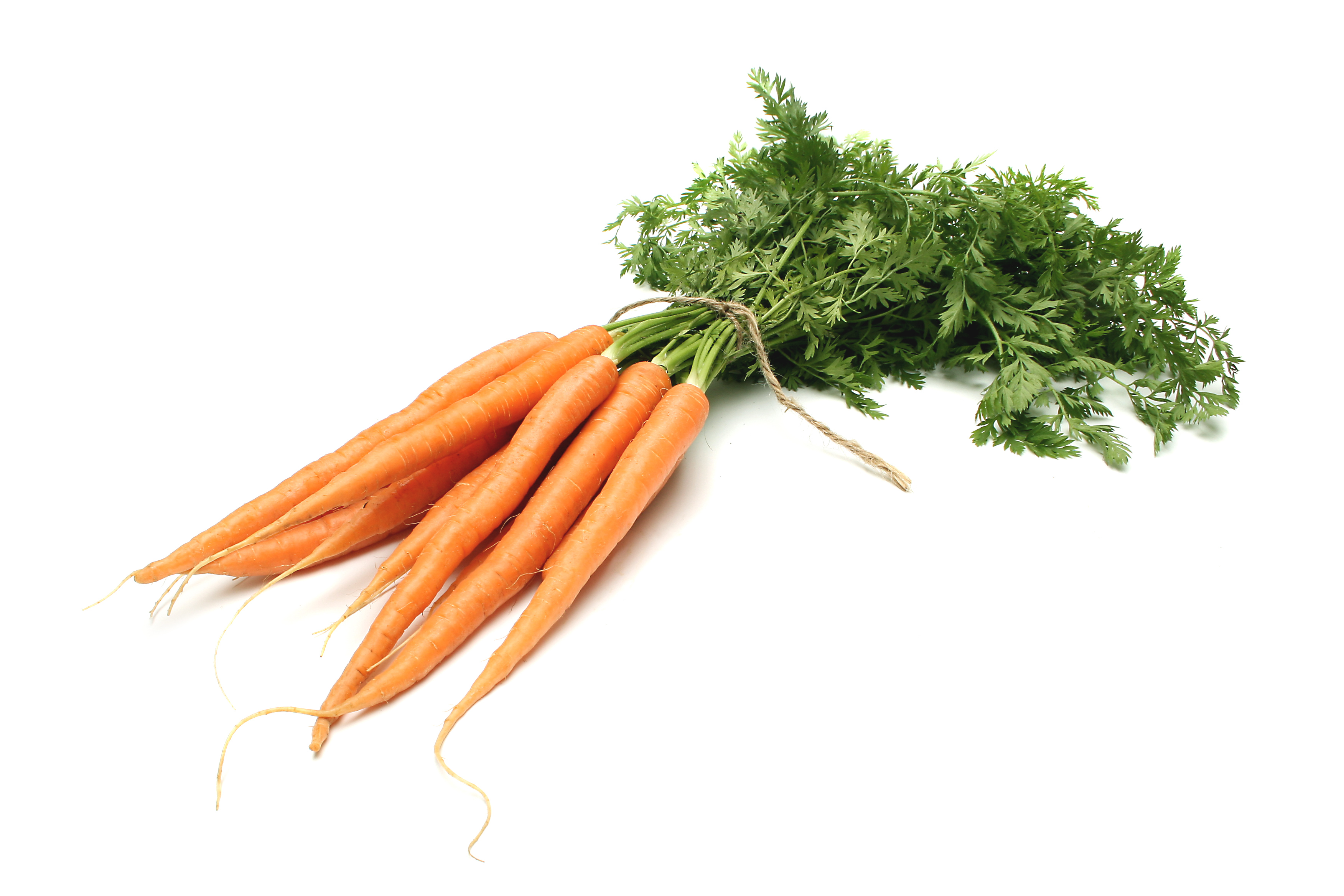
The three most important elements of carrots are beta-corotene, vitamin A and phytochemicals. There is powerful health benefits including beautiful skin, cancer prevention, and anti- aging. With that said they also improve muscle, soft tissue and skin health. While also reducing the risk of heart disease and high blood pressure, while boosting immunity and protecting the skin against sun damage.
Studies have shown carrots reduce the risk of lung cancer, breast cancer and colon cancer. because of falcarinol and falcarindiol which they feel cause the anticancer properties. The high levels beta-carotene also act as an antioxidant to cell damage done to the body through regular metabolism. It help slows down the aging of cells. Beta Carotene is also converted into Vitamin A in the liver, which helps our retina. Carrots are good for the eyes. Vitamin A and antioxidants protects the skin from sun damage. Deficiencies of vitamin A cause dryness to the skin, hair and nails. This vitamin helps prevent premature wrinkling, acne, dry skin, pigmentation, blemishes, uneven skin tone. Vitamin A assists the liver in flushing out the toxins from the body. It reduces the bile and fat in the liver. The fiber in carrots help clean out the colon and waste movement. Carrots have not only beta-carotene but also alpha-carotene and lutein. The regular consumption of carrots also reduces cholesterol levels because the soluble fibers in carrots binding with bile acids.
BUY ORGANIC WHY? Carrots soak up agricultural chemicals lurking in the soil. Conventional growers fumigate soil to kill pests such as carrot-fly larvae and nematodes, which nibble farmers produce when they’ve run out of other organic matter to eat. Further, seeds are pretreated with fungicide before they’re planted. And just before the carrots emerge, they’re sprayed with a weedkiller. Not sure about you but that is a lot of chemicals for one vegetable’s life cycle.
Celery:

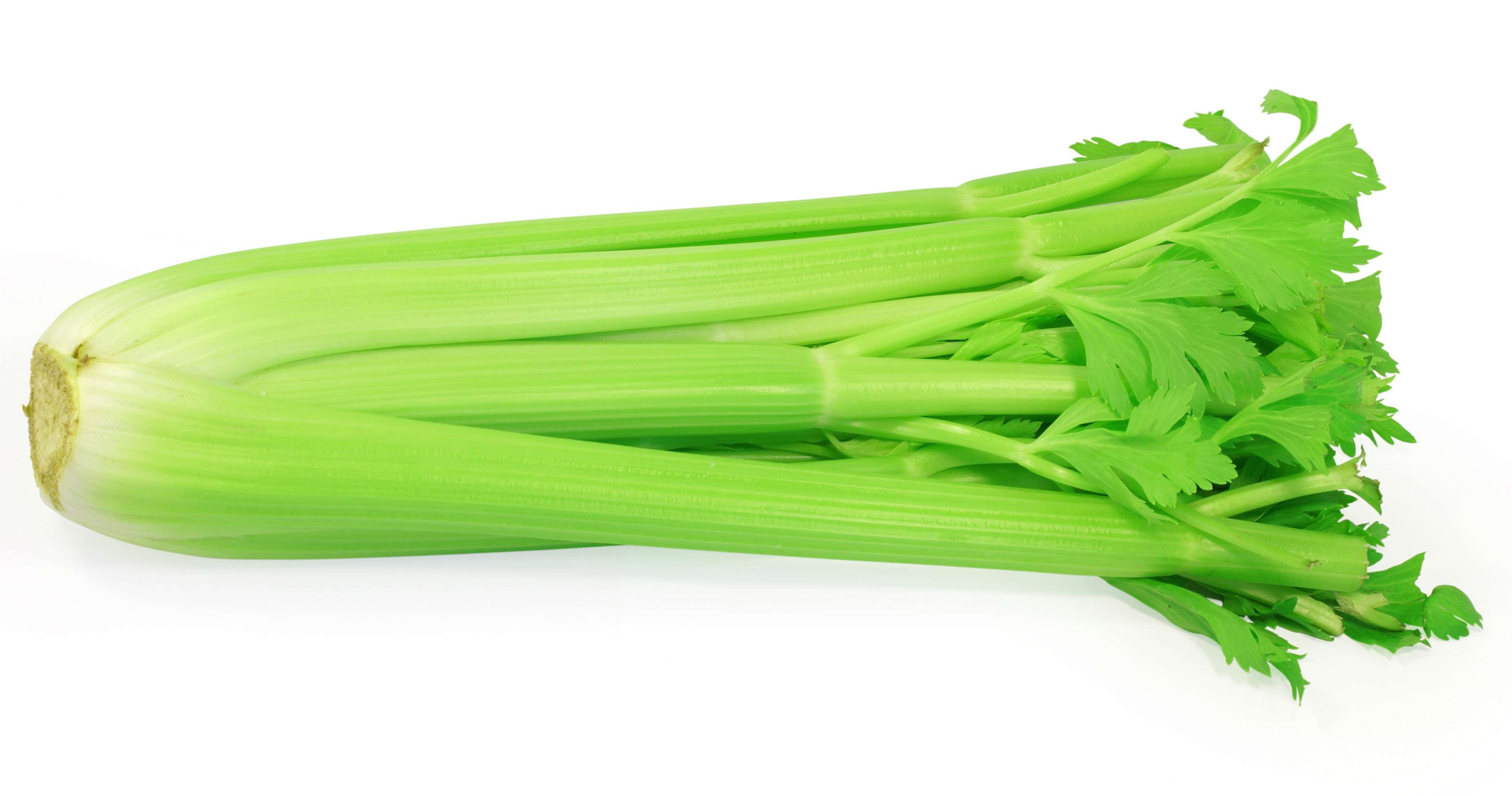
Celery leaves have a high content of vitamin A. while the stems are an excellent source of vitamins B1, B2, B6 and C with rich supplies of potassium, folic acid, calcium, magnesium, iron, phosphorus, sodium and plenty essential amino acids. Including 4 stalks of celery in your morning Raw Juice can lower high blood pressure by 12 to 14%. The chinese have been using celery for its blood pressure reducing action for centuries and now you know why.
Celery contains 8 families of anticancer compounds. One of the active compounds called Phthalides, which are known to relax the muscles of the arteries that regulate blood pressure, allowing them to dilate. It also helps reduce stress hormones. Celery also contains a compound called Coumarins that helps prevent free radicals from damaging cells. Decreasing the mutations that increase the potential for cells to become cancerous. How you ask? It magnifies the activity of certain while blood cells, immune defenders that target and eliminate potentially harmfull cells, including cancers cells. A third compound in celery known as Acetylenics has been shown to stop the growth of tumor cells. Phenolic acids which block the action of prostaglandins that encourages the growth of tumor cells.
What Celery is most famously known for is its high content of organic sodium. The important minerals celery raw juice balances the body’s blood pH, neutralizing acidity. And Celery juice acts as the perfect post-workout tonic as it replaces lost electrolytes and rehydrates the body with its rich minerals. The natural organic sodium (salt) in celery is very safe for consumption, in fact it is essential for the body. People with high blood pressure can safely take the sodium in celery, unlike table salt (iodized sodium) which is harmful.
Nutrients in the fiber are released during juicing that helps aid bowel movements, it has a natural laxative in the juice that helps relieve constipation. It is also a diuretic cause of the potassium and sodium in the juice that regulates blood fluid and stimulates urine production, getting rid of the bodies excess fluid. Helping those who suffer from urinary and gall bladder stones. It promotes healthy and normal kidney function by aiding elimination of toxins from the body. While eliminating toxins, it also prevents formation of kidney stones.
The polyacetylene in celery is an amazing relief for all inflammation like rheumatoid arthritis, osteoarthritis, gout, asthma and bronchitis. The Juice also helps lower cholesterol and LDL (bad) chlolesterol. Celery is a constant ingredient in alot of our 800+ Raw juices and after reading the above it becomes clear why.
Coconut Water:

Did you know that in the Second World War, coconut water was used as a successful blood plasma substitute as it created an alkalising blood cleanse, due to its inability to produce heat and destroy red blood cells. A healthy balance of electrolytes in one’s system, as is ensured by coconut water, is a great aid to the overall health and well being of the cardiovascular, immune, nervous and muscular systems in the body. It is known for its low calorific value and highly refreshing properties the world over. Just 9 ounces of coconut water contain 9 grams of carbohydrates, 45 mg of phosphorous, 2 grams of protein, 60 mg of magnesium, 600 mg of potassium and 250 mg of sodium.
Benefits are endless: its an Electrolyte and Alkalizes the body, it Aids in Digestion, Lowers Blood sugar level, antibacterial and antifungal. Coconut water is amazing for diabetics, cause its low in sugar. It is effective at treating include stomach flu, dysentery, indigestion, constipation, intestinal worms, cholera, urinary abnormalities, urethral stone, malfunctioning kidneys, dry and itchy skin, age spots, and wrinkles. The key nutrients in Coconut Water include Lauric acid, cytokinins, Chloride, and Iron, as well as important electrolytes such as Potassium, Magnesium, Calcium, Sodium, and Phosphorous.
Cytokinins and lauric acid are known for minimizing ageing of skin tissue and strengthen connective tissue. Coconut water has been used to treat numerous conditions that affect the digestive tract such as dysentery, diarrhea, stomach flu and cholera. And as a bonus Applying coconut water/oil on the skin has been known to help cases of acne, cellulite, eczema, stretch marks and wrinkles.
Cucumber:

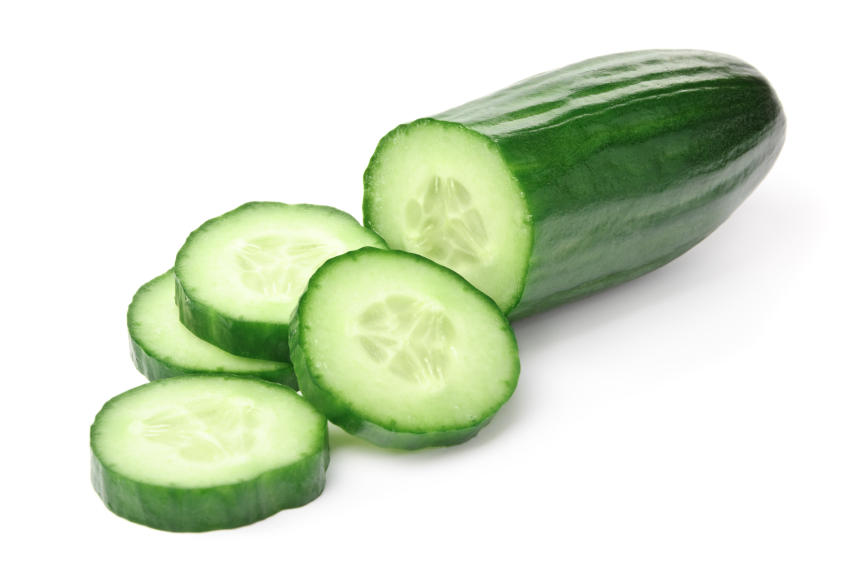
Cucumber Juice is a good source of vitamin A, C, and K. Also a good source of phosphorus, pantothenic acid, manganese, magnesium and potassium. Cucumber contains two useful compounds called ascorbic acid and caffeic acid, both help prevent water retention and lowers cholestrol level.
Cucumbers are an excellent source of silicon, that the body uses as one of the building blocks for connective tissue, which includes interacellular cement, tendons, cartilafe, muscles, bone and ligaments. But is known as “the beauty mineral”, why? It has an ability to improve skin, nails and hair. Giving you youthfull glow and complexion. Its source of silicon and high nutrient water content makes it naturally hydrating for the health of your skin. “It adds luster to the hair, sparkle to the eye, color to the lips, tone to the skin and spring to the step.” Paul Bragg
Cranberry

Cranberries havea high vitamin C content, a good portion of fiber and maybe has been mentioned as being an anti-oxidant. Raw Cranberry juice is also known to treat Urinary Tract Infection. its complete phytonutrient package is what makes cranberries such an impressive and important fruit. There is 5 key health-supportive phytonutrients in cranberries” in the chart below: Phenolic Acids, Proanthocyanidins, Anthocyanins, Flavonoids and Triterpenoids.
Having all these 5 pyhtonutrients combines in one little fruit, makes cranberrries ectremely powerfull. All of phytonutrients in cranberries have been shown to help protect against heart disease, cancer, gum disease, stomach ulcers, urinary tract infections, liver, anti-inflammatory issues and other diseases.
Fennel:

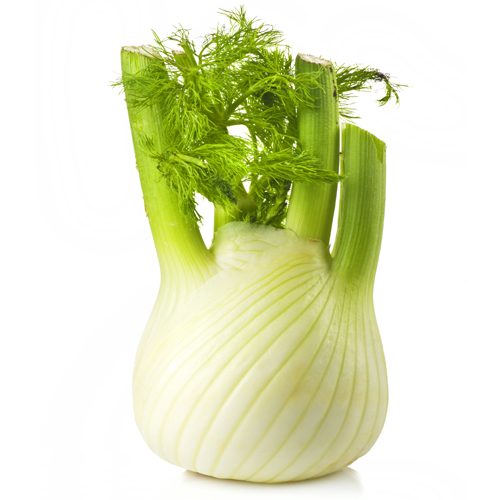
Fennel
is an excellent source of vitamin C, potassium, phosphorus, copper, folic acid (folate), manganese, and fiber when eaten, and is also a good source of magnesium, iron, calcium, and niacin. Fennel has a calming effect on digestion and is very good at reducing bloating. Fennel is used to treat digestive disorders, relieve intestinal cramps, relieving excess gas, and soothing stomach pain. Fennel contains phytoestrogens, that eases the symptoms of menopause. Fennel has a volatile oil called anethole, that is effective for anti-inflammatory and in cancer prevention. Fennel is also helpfull to treat: asthma, anxiety, depression, high blood pressure, decreased libido, coughs, heartburn.
Fennel helps the body release endorphins, they are the feel good peptides from the brain into our blood. Helps diminish anxiety and fear and generates a mood of euphoria like.
Grapefruit: 
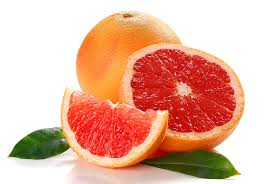
Grapefruits are rich with flavonoids, Vitamin A, B5, B6, and of course C. So, consuming a good amount of Grapefruits has many health benefits. One half a Grapefruit supplies 80% of an adults daily required intake of Vitamin C. Vitamin C helps boost and support the immune system. Pink and Red Grapefruit contain lycopene, a carotenoid phytonutrient. Lycopene had anti-tumor activity. Among the common dietary carotenoids, lycopene has the highest capacity to help fight oxygen free radicals, which are compounds that can damage cells.
High in antioxidants and soluble fiber, Grapefruits have been proved to lower cholesterol, prevent kidney stones, and may even help repair DNA. I don’t know about you, but this ruby red fruit seems like a good person to have on your team in time of need.
Kale:
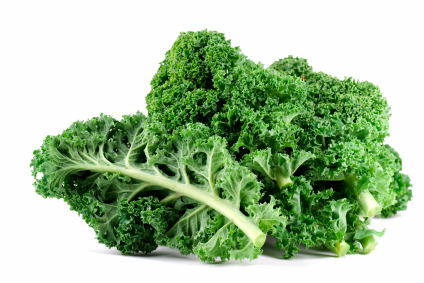
 Kale is rich source of vitamin K, beta-carotene, vitamin C, 11 more time lutein than broccoli, and zeaxanthin also an excellent source of calcium Kale is also a good source of iron, folate, thiamin, riboflavin, magnesium, phosphorus, potassium, copper and manganese. Its a multivitamin in green leaves just waiting in your glass bottle of juice. kale juice helps serum lipid profiles and antioxidant systems, and contributes to reducing the risks of coronary artery disease. Kale is filled with fiber and sulfur, both great for detoxifying your body and keeping your liver healthy.
Mango:
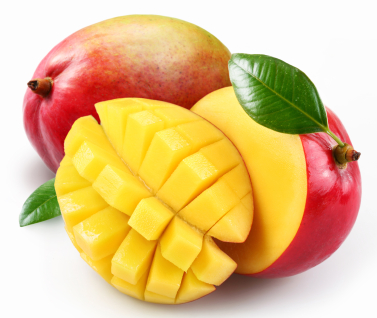
 One cup of sliced mangoes supplies 25 percent of the needed daily value of vitamin A. Mongo Contains 3 acids that help to maintain the alkali reserve of the body. (tartaric acid, malic acid, trace of citric acid)
The high levels of fiber, pectin and vitamin C help to lower serum cholesterol levels. Aids in digestion and elimination. There are antioxidant compounds in mango fruit have been found to protect against colon, breast, leukemia and prostate cancers. These compounds include quercetin, isoquercitrin, astragalin, fisetin, gallic acid and methylgallat, as well as the abundant enzymes. Mango like papaya contain enzymes for breaking down protein. It also has 25 different kinds of carotenoids that keeps your immune system healthy and strong.
One cup of sliced mangoes supplies 25 percent of the needed daily value of vitamin A. Mongo Contains 3 acids that help to maintain the alkali reserve of the body. (tartaric acid, malic acid, trace of citric acid)
The high levels of fiber, pectin and vitamin C help to lower serum cholesterol levels. Aids in digestion and elimination. There are antioxidant compounds in mango fruit have been found to protect against colon, breast, leukemia and prostate cancers. These compounds include quercetin, isoquercitrin, astragalin, fisetin, gallic acid and methylgallat, as well as the abundant enzymes. Mango like papaya contain enzymes for breaking down protein. It also has 25 different kinds of carotenoids that keeps your immune system healthy and strong.
Mint

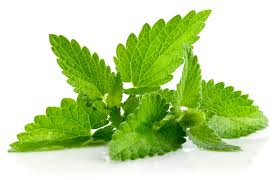
Mint, among being rich in vitamin A, B2 and C, fiber, potassium, iron and a whole mess of other phytonutrients, it is also a wonderful diuretic. So, it is very cleansing. Mint has also been shown to improve the skin, ease chronic asthma and respiratory disorders. Mint it good for the tummy. It is known to have a soothing effect on the belly. It has been proven relieve symptoms of irritable bowel syndrome, including indigestion, dyspepsia, and colonic muscle spasms. Mint has cancer fighting effects from one phytonutrient. The phytonutrient monoterpene has been shown to stop the growth of pancreatic, mammary, and liver tumors. It has also been shown to protect against cancer formation in the colon, skin, and lungs.”
Orange:

we all love orange juice, but nothing like a fresh raw Orange Juice. Its no secrete Oranges are rich in vitamin C, but what you might not know is that on glass of orange a day will help balance high blood pressure, shocked? Dont be, Oranges have a high level of mangnesium and potassium. They have an inflammatory properties that help relieve joint pain and contain enough nutirients and mineral to boost your immune system. Yes Oranges even Contain Calcium, so excellent for your bones and teeth, placing calcium where it is needed, instead of robbing it from your bones like diary does. Oranges contain folate increasing growth of skin and blood cells, they are also rich in antioxidants and the cartanoids that fight free radicals to reduce damage to cells. Oranges Niacine Content enable a good DNA in your body. So next time you hear yourself say Oranges contain too much sugar, or my doctor told me not to drink Orange juice, think think think.
Pea Sprouts:

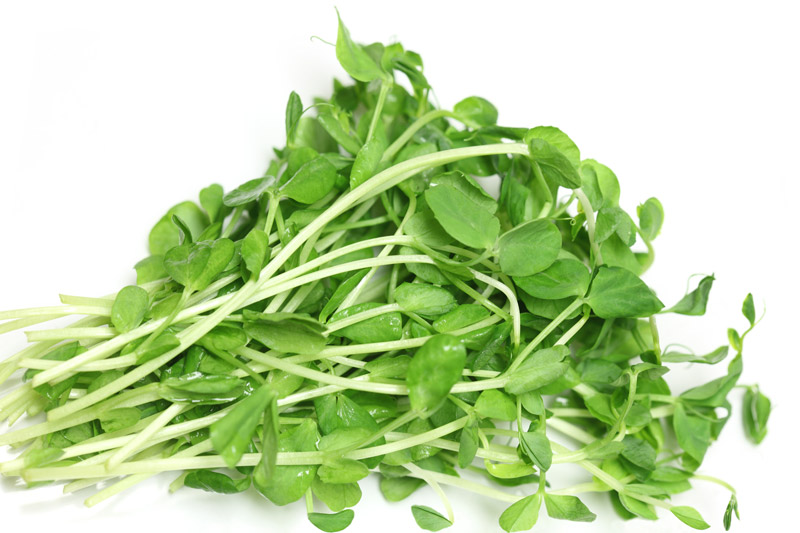
Pea Shoots are a nutritious leaf with high levels of vitamin C and vitamin A. A 50g bag of these tasty greens offers more than half of the RDA for vitamin C, a quarter of the RDA for vitamin A and significant amounts of folic acid. It has seven more times vitamin C than blueberries. Eight times more folic acid than bean sprouts. Four times more vitamin A than tomatoes. Its high in Vitamins A, B, C and E
Calcium, Chlorophyll, Iron, Magnesium, Niacin, Phosphorus, Potassium and Amino Acids. It has 20-25% protein.
Pea shoots are a great source of three chemo protective agents: folate, antioxidants and carotene. Folate helps produce and maintain cells and protects against DNA damage. Pea shoots are dense with the antioxidants and phytonutrients needed to support the body’s complex inflammation system.
Parsnips:

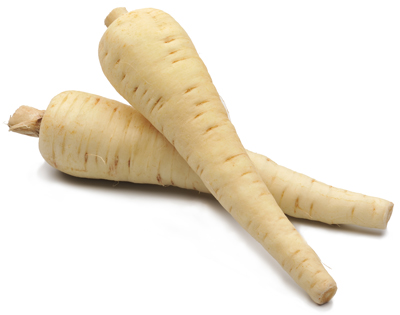
Parsnips resembles the carrot alot, although they are very light in color. It is rich in vitamin C, many B complex groups, vitamin E and K, fiber, potassium and high in Folate. Vitamin K is important because it helps clot your blood and aids in cell growth. Adequate vitamin K intake may also reduce your risk of osteoporosis. Parsnips contain more than 22% of the daily suggested intake of folate, which helps manufacture DNA, RNA and red blood cells. It has been shown to prevent and treat anemia, particularly during pregnancy. As well as decrease the risk of birth defects in newborn infants. Vitamin C helps produce collagen, which forms parts of our bones, tendons, ligaments and blood vessels. Our bodies will also use Vitamin C to produce carnitine, which is involved in the fat metabolism.
Parsnips are also a great source of the mineral silicon, which promotes healthy bones. Parsnips are shown to help fight cancer by “nourishing the immune system, decrease inflammation in the body, and stimulate beneficial enzymes. They improve conditions of constipation and help to normalize high blood pressure. The parsnip root is a good diuretic and assists in removing obstructions of the viscera. It has been used to treat stomach ailments, jaundice and kidney stones. Parsnips contains both sugar and starch which makes it very tasty. They are also being named the working wonders for hair, skin and nails. This root helps prevent heart disease, cancer, hemmorrhoids, stroke, diverticulitis, depression, age related vision and hearing loss, stroke and high blood pressure.
Pears:

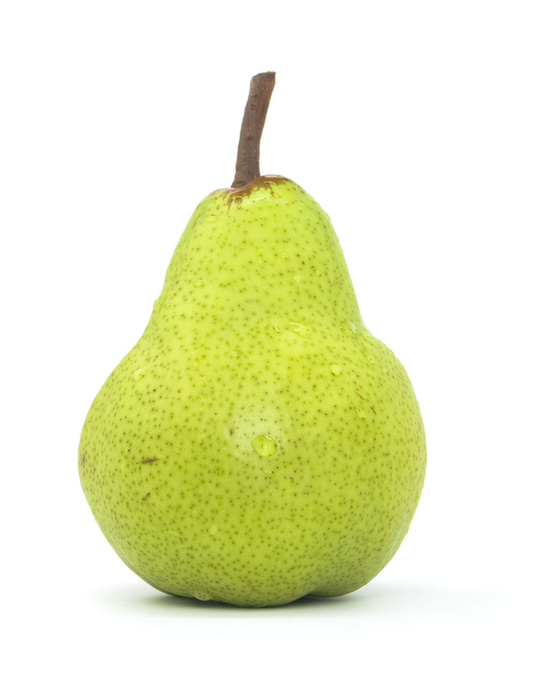
One medium sized pear contains about 20-25% of the daily recommended intake of fiber. A good percentage of the fiber in pears is insoluble. Pears contain vitamin C, a powerful antioxidant which is an important part of your body’s cancer fighting arsenal. The fiber content in pears is very effective at promoting colon health which will reduce your chances of developing colon cancer.
Pears contain 10-20 mcg of the natural form of folic acid, folate, and they should be included in a healthy prenatal diet. They help to maintain a healthy pH level and are a good source of boron, which is found to help the body to retain calcium.
Pears help to boost the immune system because they contain antioxidants such as vitamin C and copper which fight off free radicals and disease in the body. When you eat a pear, your body absorbs glucose, which is converted into energy, translates into A great pick-me-up if you feel sluggish in the afternoon.
Spinach:

Spinach is high in vitamin A and C, and is one of only four vegetables that are also high in vitamin E. It’s also a good source of choline, calcium, iron, potassium and folic acid. Spinach is high in protein per calorie and has 14 times the iron per calorie than red meat.
Spinach is one of the highest sources of eye-protecting, cancer-fighting lutein. Lutein has been shown to play a crucial role in protecting against age-related macular degeneration.
Spinach has two powerful antioxidants, glutathione and alpha lipoic acid, are also found in spinach. It is called “nature’s master antioxidant,” and is the primary antioxidant in the cells. It protects DNA from oxidation, detoxifies pollutants and carcinogens, boosts the immune system, aids healthy cell replication, and reduces chronic inflammation. The body is able to produce glutathione, but often we don’t make enough, and as we age, we produce even less.
Spirulina:

I remember Mercola once asking “Imagine a plant that can nourish your body by providing most of the protein you need to live, help prevent the annoying sniffling and sneezing of allergies, reinforce your immune system, help you control high blood pressure and cholesterol and help protect you from cancer.Does such a “super food” exist? Yes. It’s called spirulina”
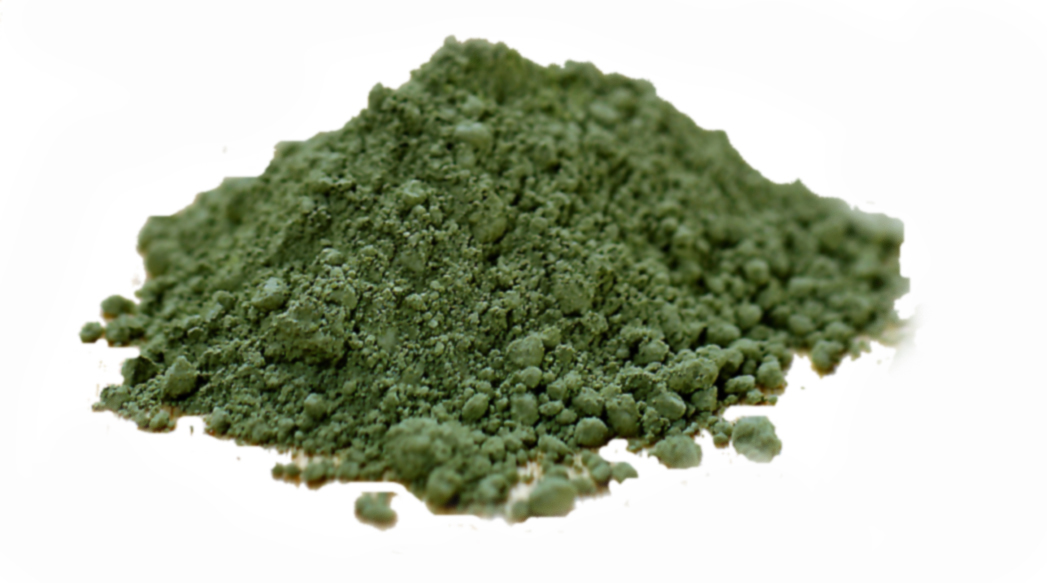
Spirulina is a form of blue-green algae that springs from warm, fresh water bodies. It has the highest protein and beta-carotene levels of all green superfoods, and is also a rich source of GLA (Gamma Linolenic Acid), a popular fatty acid with numerous health benefits. In addition, it is the highest known vegetable source of B-12 and provides optimum levels of vitamins, minerals, trace elements, cell salts, amino acids and enzymes. Amino acids make up 62% of spirulina, so it is a rich source of Protein.
Sunflower Sprouts:
Sunflower sprouts are packed with more protein than spinach. Sunflower sprouts provide vitamin D, helps build strong bones and muscles and controls blood pressure. These sprouts are also a source of lecithin, a phospholipid compound that helps in the body’s transport of fats. This sprout has high content of linoleic acid, its an essential fatty acid great for brain function, skin and hair growth and healthy bones. Sunflower sprouts are also a great source of protein, high in Vitamin A, B, D, and E. Also Minerals such as calcium, copper, iron, magnesium, potassium, phosphorus and zinc. High in Chlorophyll, a blood purifier. It is great for the skin and hair, and also helps to detox the body by attaching to the heavy metals, such mercury and lead, and eventually releasing them.
Strawberry:

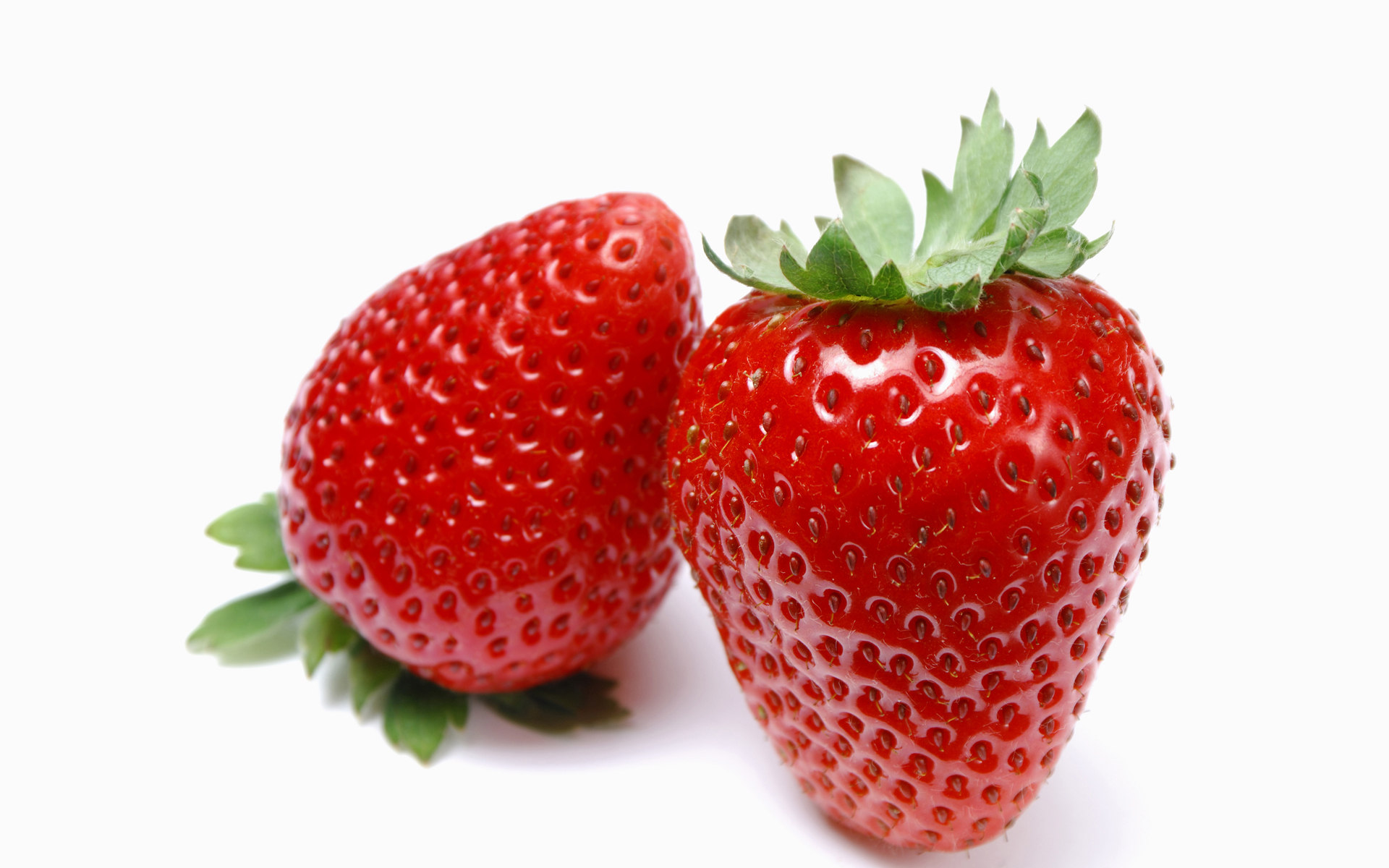
One cup of strawberries contains over 13% of the RDA of dietary fiberber, yet only 43 calories. And contains an incredible 136% of the RDA of vitamin C, an effective antioxidant that can help lower blood pressure, ensure a healthy immune system. Also contains 21% of manganese, an essential nutrient that acts as a powerful antioxidant and anti-inflammatory agent. Strawberries are anti-inflammatory, anti-cancer with loads of Antioxidants, Glutathione being one of them. Lets not forget that The potassium, vitamin K, and magnesium in strawberries are important for bone health
Swiss Chard:

Swiss chard is very high in Vitamin E, K, B6, riboflavin, calcium, magnesium, phosphorus, potassium, copper, manganese and fiber when eaten. It’s a good source of zinc, folate and thiamin.Has a key phytochemical anthocyans, that makes it effective in preventing cancers of the digestive tract. Its known to be a rich source of vitamin K, which is vital for maintaining bone density. Its great for diabetics in that it protects damage to the Kidneys. Chard contains 13 different polyphenol antioxidants which help you fight disease and biotin Vitamin that You need for hair growth and strength. Its also an excellent source of iron which is needed for red blood cell formation and anemia prevention.
Turmeric - Curcuma

Turmeric is a member of the ginger family. Turmeric actually looks a lot like ginger, but more orange in color.
For thousands of years, turmeric has been used to treat a variety of ills, but more recently studies has shown that consuming turmeric can help fight infections, reduce inflammations, helps digestive problems, and fight some cancers. It is a good source of iron and manganese and a phytonutrient pigment called called curcumin. According to World Healthiest foods:
“Curcumin is thought to be the primary pharmacological agent in turmeric. In numerous studies, curcumin’s anti-inflammatory effects have been shown to be comparable to the potent drugs hydrocortisone and phenylbutazone as well as over-the-counter anti-inflammatory agents such as Motrin.”(Source)
And the benefit to using turmeric instead of all those drugs is – it doesn’t have all the toxic chemicals drugs have, which means you’ll have less junk in your body.
Watercress:

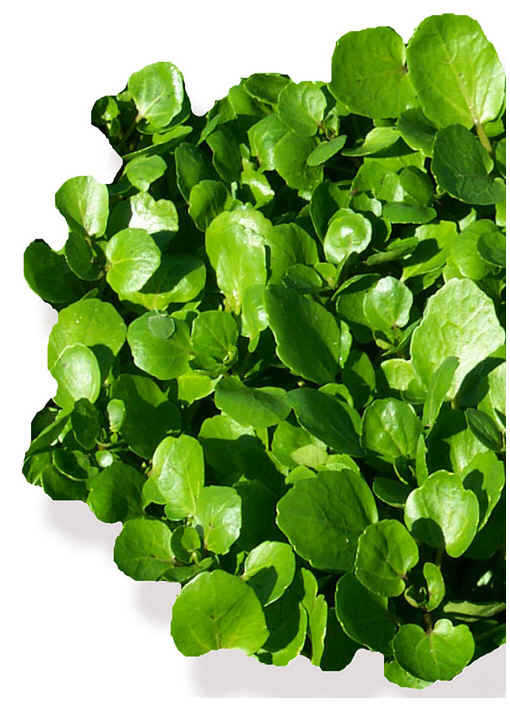
watercress contains more vitamin C than oranges, is higher in calcium then milk, has more iron than spinach, and contains the same protein per calorie as chicken breasts. Its a good source of vitamin A, E, K, B6, thiamin, riboflavin, magnesium, phosphorus, potassium and manganese; and a good source of folate, pantothenic acid and copper. A daily serving of watercress reduces DNA damage to blood cells and enhances the ability of the cells to fight further damage to DNA caused by free radicals. It’s good for your eyes, bones, blood, liver, and even your skin, hair and nails. Juicing watercress adds lots of nutrient rich greens to some our juices and injects an additional bonus of clean-burning protein.
Watercress is renowned for it’s cancer fighting properties. The leafy green plant has high levels of phytochemicals known as isothiocyanates, the same disease fighting components found in brussels sprouts, broccoli, cabbage, kai choi, kale, horseradish, radish and turnip. Isothiocyanates, or ITC’s, has been shown to “inhibit the development of tumors” and various types of cancer cells.
Wheatgrass:

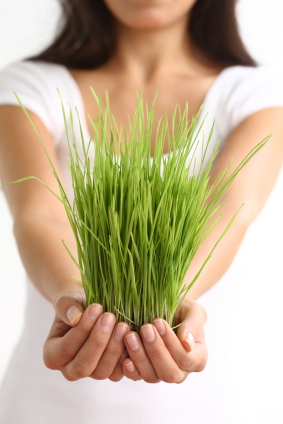
Wheatgrass juice is high In chlorophyl and has an abundance of photochemical, antioxidant a and vitamin k. Other vitamin and nutrients include vitamin C, vitamin E, vitamin B12, beta carotene, phosphorus, magnesium, potassium, calcium, iron, folic acid, 90 different minerals and 20 amino acids (a complete protein).
Zucchini:

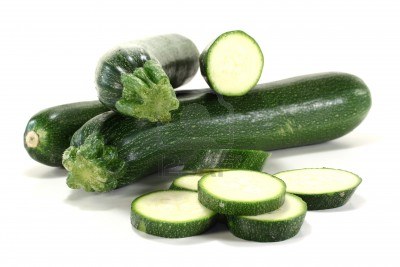
Zucchini is an excellent source of potassium and magnesium which are beneficial to those people diuretics for high blood pressure, because the side effect of that medication is that it leaches these minerals from the body.
Zucchini Juice helps strengthens bones and prevents brittleness because the chelated calcium content is so high that it is retained by the body longer than calcium from diary or food supplements. The amounts of Calcium, magnesium and phosphorus in Zucchini are equally balanced, combined with the high potassium count, this combination helps bones mend faster. Amazing healer after surgeries.
It’s antioxidant properties are great. It contains the carotenoids lutein and zeaxanthin which help protect our eyes. It contains nutrients that help stabilize blood sugar, are anti-inflammatory, and fight cancer.


.jpg)