Posts mit dem Label Food werden angezeigt. Alle Posts anzeigen

Montag, 27. März 2017

15 Foods High in Vitamin E


15 Foods High in Vitamin E


Vitamin E is an important fat-soluble antioxidant compound that aids the body in neutralizing the harmful after-effects of oxidation of fats. Current research is even looking into the important role that this vitamin plays in stopping free-radical production, a key method of preventing the development of chronic diseases and aging. It is also a vital element in the overall maintenance of a healthy immune system.

Some studies are even looking into its role in preventing degenerative mental imbalances such as dementia and Alzheimer’s disease. And while many of us may do well in taking extra vitamin E supplements, we can use an organic diet to get a large amount of the daily requirements for this powerful antioxidant lipid. In fact, there are many common foods with vitamin E. You probably have a few in your house right now.
Foods With Vitamin E


Here are fifteen foods with vitamin E that you should strongly consider adding to your diet.


To the swiss health shop -->

1. Almonds


Almonds are one the best vitamin E foods. Just an ounce of almonds offers a whopping 7.4 milligrams of vitamin E. You can also get your vitamin E needs in the form of almond milk and almond oils. We would recommend eating raw almonds, if possible.


2. Raw Seeds


Select raw seeds, such as sunflower, pumpkin and sesame, are another common food with vitamin E. In fact, eating just ¼ of a cup of sunflower seeds gives you 90.5% of your recommended daily value, making them one of the best vitamin E foods you can eat daily.


3. Swiss Chard


Swiss chard is easily one of the healthiest vegetables you can eat on a daily basis. Commonly known to be high in vitamin K, vitamin A and vitamin C, Swiss chard is another food high in vitamin E. Just one cup of boiled swiss chard greens will provide you with almost 17% of your daily recommended values.


4. Mustard Greens


Similar to swiss chard, mustard greens are very nutrient dense and will provide a variety of health benefits. Not only are they one of the best vitamin E foods, but mustard greens are also high in vitamin K, vitamin A, folate, and vitamin c. Eating just one cup of boiled mustard greens contains about 14% of your daily dietary requirements. We would recommend eating organic mustard greens, if possible.


5. Spinach


Spinach may not be your favorite veggie, but it is one of the best leafy greens you can add to your diet. Not only is it one of the best calcium foods and naturally high in folate, it’s also one of the best vitamin E foods as well. Just one cup of boiled spinach will provide you with approximately 20% of your daily needs. Try adding fresh spinach to your sandwiches to make them extra healthy.


6. Turnip Greens


While turnip greens may have a slightly bitter taste, they are very high in many essential nutrients. Like the rest of the leafy greens on this list, just one cup will provide you with plenty of vitamin K, vitamin A, vitamin C and folate. Not to mention approximately 12% of your daily requirements of vitamin E.


7. Kale


Kale is another great cruciferous vegetable you should eat as often as possible. Kale is very high in many nutrients, in fact, just one cup of boiled kale can give you almost 6% of your daily vitamin E requirements. We would recommend eating organic kale, if possible.

8. Plant oils


Most plant seed oils are very good sources for Vitamin E as well. The best oil with vitamin E is Wheat germ oil. In fact, one tablespoon of this oil holds 100% of your daily Vitamin E requirements. Sunflower oil is another excellent option, as it provides over 5 mg of the vitamin, and can easily be be used for cooking. Other great Vitamin-E-rich oils include hempseed oil, coconut oil, cottonseed oil (with almost 5 mg of vitamin E), olive oil and safflower oil. We would recommend only buying oils that are cold pressed unrefined and 
organic.


9. Hazelnuts


A perfect snack during a long workday, eating just one ounce of hazelnuts can provide you with approximately 20% of our daily requirements of vitamin E. For an alternative to eating nuts, try drinking hazelnut milk in your morning coffee instead of milk or flavored creamer.


10. Pine Nuts


Add an ounce of these nuts to anything you please! One serving contains 2.6 mg of vitamin E. You can also use pine nut oil for added health benefits.


11. Avocado


Perhaps one of the tastiest foods with Vitamin E, avocados represent natures creamiest, oil-rich food. Just half of an avocado holds more than 2 mg of vitamin E. Avocados are very easy to incorporate into your diet. We would recommend adding sliced avocados to your salad, a sandwich, or mashed up as guacamole!


12. Broccoli


For generations now, broccoli has been considered one of the best detox foods, but it’s also one of the healthiest foods high in Vitamin E. Just one cup of steamed broccoli will provide you with 4% of your daily requirements. Broccoli may not be as nutrient dense as other Vitamin E foods on this list, but it is definitely one of the healthiest foods you can eat daily.


13. Parsley


An excellent spice, parsley is another great Vitamin E food. Try adding fresh parsley to salads and dishes for an extra Vitamin-E kick. Dried parsley will also provide you with this important vitamin, but the fresher the better.


14. Papaya


This popular fruit is most commonly known as one of the best vitamin C foods, but it’s also high in Vitamin E. Just one papaya will give you approximately 17% of your daily needs. Try adding fresh or frozen papaya to fruit smoothies, along with other fruity vitamin E foods on this list for an extra healthy snack!


15. Olives


From the oil to the fruit, eating olives is an excellent way of getting your daily needs for vitamin E. Just one cup of olives can give you approximately 20% of your daily recommended amount.


These are just a few examples of foods with vitamin E. There are plenty more that aren’t listed here. 

Sonntag, 31. Mai 2015

Heart Food


Eat these foods to maintain an optimum cardiovascular health


Cardiovascular diseases are becoming an increasing health concern these days due to various reasons like unhealthy eating habits, work and personal life related-stress, sedentary lifestyle and lack of exercises. Heart problems also get coupled with high cholesterol levels and blood pressure too. Only exercising isn't sufficient to maintain a healthy heart. One needs to eat the right foods for if too! Here's a list of foods that are good for your heart:

Green leafy vegetables


Green leafy vegetable like spinach, fenugreek, pak choy, radish leaves, lettuce, etc. are healthy and are known to reduce the risk of heart diseases and cancer as well. That's because they are extremely low in fat, calories and high in dietary fibre. They also contain folic acid, magnesium, calcium, potassium, etc. These minerals are beneficial for the optimum functioning of the heart. Studies have shown that one daily serving of green leafy vegetables can lower the risk of heart diseases by 11 per cent.

Oats

Oats are one the most healthiest options available for breakfast. Not only do they make you feel full and energetic, they are great for your heart too. Oats contain beta glucan, which is a soluble fibre that helps bring down cholesterol levels especially LDL (bad cholesterol) in the body. Have oatmeal for breakfast or have oatmeal bread or cookies to absorb their benefits.

Whole grains


Whole grains whether its wheat, barley, millet, pulses and even beans for that matter are good for the heart because they provide natural fibre and vitamins. They contains vitamin E, iron, magnesium and a host of anti-oxidants. Regular consumption of of whole grains reduces blood pressure too.

Soy protein


Soy is essentially soyabean curd. They are also available in the form of soya chunks and soya mince easily in the market today. Soy is an excellent healthy substitute for red meats which are high in fat, increase the bad cholesterol and saturated fats which are very bad for the heart.

Olive oil


Olive oil is one of the most healthiest oils available, whose consumption is actually good for the heart. Having olive oil as a regular part of your diet, helps ion lowering LDL (bad cholesterol) in the body. Also, olive oil contains monounsaturated fats that are good for the heart and are packed with anti-oxidants. Extra virgin olive oil contains polyphenols and gives even greater health benefits. Drizzle some olive oil in your salad as a dressing instead of that unhealthy mayonnaise and high-calories dressings, or better still substitute it for your normal cooking oil and see the difference.

Tomatoes


Tomatoes is a good source of vitamins and acts as a blood purifier. Regular consumption of tomatoes is known to reduce the risk of heart diseases. Vitamin K present in tomatoes helps to prevent occurrences of hemorrhages. Eat tomatoes in the raw form in salads or sandwiches, cooked form in gravies or simply good old ketchup.

Apples


An apple a day, will surely keep the doctor away because they contain guercetin, a photochemical containing ant-inflammatory properties. It also helps in prevention of blood clots. Eat apples for breakfast with your cereal or eat them as a snack when you're hungry instead to pigging out on deep-fried chips.

Almonds


Almonds when eaten in moderation is known to lower cholesterol levels in the body and heart diseases. They also contain vitamin B17, E and minerals like magnesium, iron, zinc and are a good source of monounsaturated fats.

Red wine


Red wine when drunk in moderation can be very good for the heart because they contain a powerful antioxidant called resveratrol. Also, red wine contains flavanoids. Have red wine in moderation instead of guzzling other hard alcohol drinks that are high in sugars.

Freitag, 22. Mai 2015

HEALTH 7 Eating Habits That Make You Live Longer

7 Eating Habits
That Make You Live Longer


For more than a decade a team of experts was studying hot spots of 
longevity—regions they call Blue Zones, where many people live to 
100 and beyond. 
They are 

  • the Greek island of Ikaria; 
  • the highlands of Sardinia; the Nicoya Peninsula in Costa Rica; 
  • Okinawa, Japan; 
  • and Loma Linda, Calif., home of the highest concentration of
    Seventh-day Adventists in the U.S. 


Remarkably, they have  learned that folks in all these places share similar rituals 
and practices surrounding food. (Hint: They don't count calories, take vitamins
or weigh protein grams!) 

After analyzing more than 150 dietary studies conducted in Blue Zones over 
the past century, they came up with a global average of what centenarians 
really eat. 


Here are age-old diet tips

To borrow from the longest-living
people on the planet:


Get 95% of your food from plants


Produce, whole grains and beans dominate meals all year long in each
of the Blue Zones. People eat an impressive variety of vegetables when they are in
season, and then pickle or dry the surplus. 

The best of the best longevity foods are leafy greens. In Ikaria, more than
75 varieties grow like weeds. Studies found that middle-aged people who
consumed the equivalent of a cup of cooked greens daily were half as likely
 to die in the next four years as those who ate no greens.


Consume meat no more than twice a week


Families in most of the Blue Zones enjoy meat sparingly, as a side or a way
to flavor other dishes. Aim to limit your intake to 2 ounces or less of
 cooked meat (an amount smaller than a deck of cards) five times a month. 

And favor chicken, lamb or pork from family farms. 
The meat in the Blue Zones comes from animals that graze or forage freely,
which likely leads to higher levels of omega-3 fatty acids.


Eat up to 3 ounces of fish daily


The Adventist Health Study 2, which has been following 96,000 Americans
 since 2002, discovered that people who ate a plant-based diet and included
a small portion of fish up to once a day were the ones who lived the longest.

In the Blue Zones overseas, fish is a common part of everyday meals. 
For the most part, the best fish choices are middle-of-the-food-chain
species such as sardines, anchovies and cod,
which aren't exposed
to high levels of mercury or other chemicals.


Cut back on dairy


The human digestive system isn't optimized for cow's milk, which happens to be
high in fat and sugar. People in the Blue Zones get their calcium from plants.
(A cup of cooked kale, for instance, gives you as much calcium as a cup of milk.)

However, goat's- and sheep's-milk products like yogurt and cheese are common
 in the traditional diets of Ikaria and Sardinia. 

We don't know if it's the milk that makes folks healthier or the fact that they
climb the same hilly terrain as their goats.


Enjoy up to three eggs per week


In the Blue Zones, people tend to eat just one egg at a time: For example, Nicoyans
fry an egg to fold into a corn tortilla and Okinawans boil an egg in soup.
Try filling out a one-egg breakfast with fruit or other plant-based foods
such as whole-grain porridge or bread.

When baking, use 1/4 cup of applesauce, 1/4 cup of mashed potatoes or a small
 banana to sub in for one egg.


Add a half cup of cooked beans every day


Black beans in Nicoya, soybeans in Okinawa, lentils, garbanzo and white beans
in the Mediterranean: Beans are the cornerstone of Blue Zones diets.
On average, beans are made up of 21 percent protein, 77 percent complex
carbohydrates and only a little fat.
They're also an excellent source of fiber
and are packed with more nutrients per gram than any other food on earth.

The Blue Zones dietary average—at least 1/2 cup per day—provides most
of the vitamins and minerals that you need.


Switch to sourdough or whole-wheat

In three of the five Blue Zones, bread is a staple. But it's an altogether different
food from the loaves most of us buy.

Breads in Ikaria and Sardinia, for example, are made from a variety of
100 percent whole grains, including wheat, rye and barley—each of
which offers a wide spectrum of nutrients and high levels of fiber. 


Other traditional Blue Zones breads are made with bacteria that "digest" the starches
 and glutens while helping the bread rise. This process creates an acid that lends
the sour flavor to sourdough. 

The result is bread that actually lowers the glycemic load of meals. (
It also has less gluten than "gluten-free" breads.) 

To find true sourdough, visit a bakery and ask about their starter. 
If they can't give you an answer, they're probably not making their
sourdough in the traditional way.


Samstag, 14. März 2015

Food that optimizes your libido


Food for your libido


Turn up the heat in the bedroom with these foods proven to boost libido.


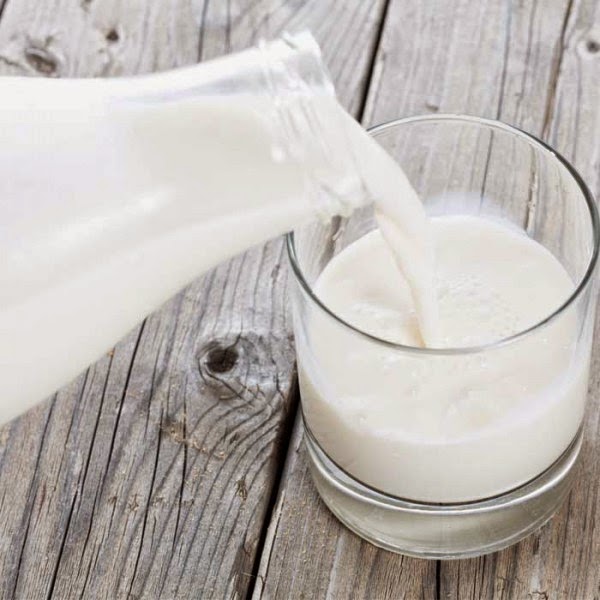
Milk


"Mother Nature's prescription for a healthy sex life includes high-fat animal foods, such as whole milk, cream, and butter," says Kaayla T. Daniel, nutritionist and author of The Whole Soy Story: The Dark Side of our Health Food

We require plenty of fats, but the natural, saturated kind (not the trans fats in margarine and grease) in order to produce sex hormones.


Oysters


You've heard what they say about oysters—and as it turns out, the urban legend is true. The seafood delicacy has earned its reputation as an aphrodisiac thanks to its high levels of zinc, a nutrient which helps produce sperm and increases libido. 


Asparagus and other veggies


The health nuts are on to something. As if veggies couldn't get any better for you, Genie James, author of In the Mood Again, recommends natural hormone-balancing foods like asparagus to help boost your sex drive.


Liver


It may be hard to find someone who enjoys eating liver, but it can make you a better lover, so why not try it? The reason: Liver is loaded with zinc, which is necessary to maintain optimum levels of testosterone. "Inadequate zinc levels prevent the pituitary gland from releasing hormones that stimulate testosterone production," James explains. "Zinc also inhibits the aromatase enzyme that converts testosterone into excess estrogen."


Red Wine


After surveying 800 women between the ages of 18 and 50, researchers at the University of Florence found that women who drank two glasses of red wine a day had a higher libido than those who preferred other alcoholic drinks or were teetotalers. Drinking pinot noir, cabernet, and other reds helps decrease inhibition—just don't go too crazy, as too much alcohol can serve as a sedative.


Eggs


We knew we loved the incredible, edible egg for a reason! Not only are eggs an ancient symbol of fertility, they're also high in vitamins B5 and B6, which help balance hormone levels and fight stress.


Caviar


And of course, caviar is a type of egg too! It contains the same B5 and B6 vitamins that chicken eggs have, which balance hormone levels.


Bananas


Penis jokes aside, bananas really do help you get in the mood. They're loaded with potassium, magnesium, B vitamins and the bromeliad enzyme—ingredients that enhance the male libido


Flaxseed